The number of demerit points you can lose for speeding in Australia depends on how far over the limit you were driving and which state or territory you’re in. In most cases, speeding offences result in one to six demerit points, with more severe penalties applied for higher speeds or repeat offences.
Because road rules differ between states and territories, so do the demerit point limits and penalties. Once you reach your maximum point threshold, you could face licence suspension, disqualification, or additional fines, depending on where you’re licensed.
In 2024 alone, more than three million speeding infringements were issued across Australia¹. Beyond the fines and points, speeding is a major safety risk — contributing to over 40% of road fatalities in NSW each year².
In this clear guide to demerit points, you’ll learn:
- How the demerit point system works in Australia
- How many points you can lose for speeding in each state and territory
- How to check your current demerit points
- What to do if you’re close to losing your licence
- How our road safety education programs can help you drive smarter and safer
What counts as speeding in Australia?
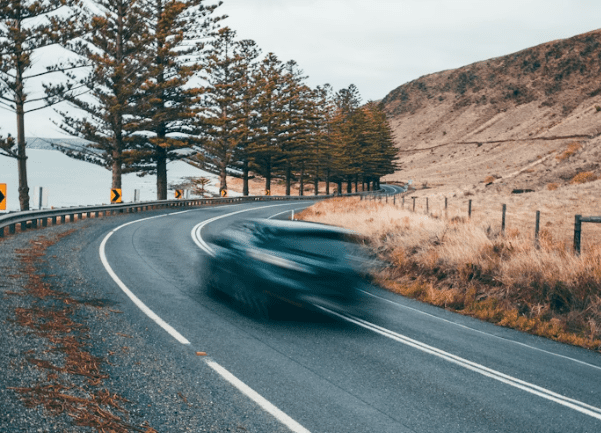
In Australia, speeding is driving even 1 km/h over the posted speed limit. Unlike in some countries where limits are treated as guidelines, Australia enforces strict speed limit penalties.
If you exceed the limit by any amount — whether it’s 1 km/h or 40 km/h — you can receive a fine, lose demerit points, have your motor vehicle impounded, or even face licence suspension for serious driving offences.
Speeding isn’t just about exceeding a number on a sign. Drivers can also be charged for travelling too fast for the conditions, even if they’re technically under the limit.
For example, driving at 90 km/h in heavy rain or fog on a 100 km/h road may still be deemed unsafe and result in penalties for dangerous or reckless driving.
According to 2024 data, the Northern Territory recorded the highest rate of speeding fines at 2,941 per 10,000 licensed drivers3. In comparison, South Australia had the lowest, with around 1,335 fines per 10,000 drivers issued that year.
These figures highlight how strictly speed enforcement varies by region — but the message remains the same nationwide: even small speed increases can lead to serious consequences.
What are demerit points?
How do demerit points work?
Each state and territory has its own demerit point system and limit, which depends on your licence type (learner, provisional, or full).
If you reach the maximum demerit point limit allowed, your licence can be suspended, cancelled, or disqualified. In some cases, you may also need to resit your licence test before you can drive again.
These penalty points can be issued on their own or alongside other penalties, such as fines or court convictions.
They also stay on your record for a set period, which is usually between one and three years, depending on where you’re licensed.
Keeping track of your demerit points helps you stay aware of your driving record and avoid losing your licence unexpectedly.
How many demerit points do you get for speeding in Australia?
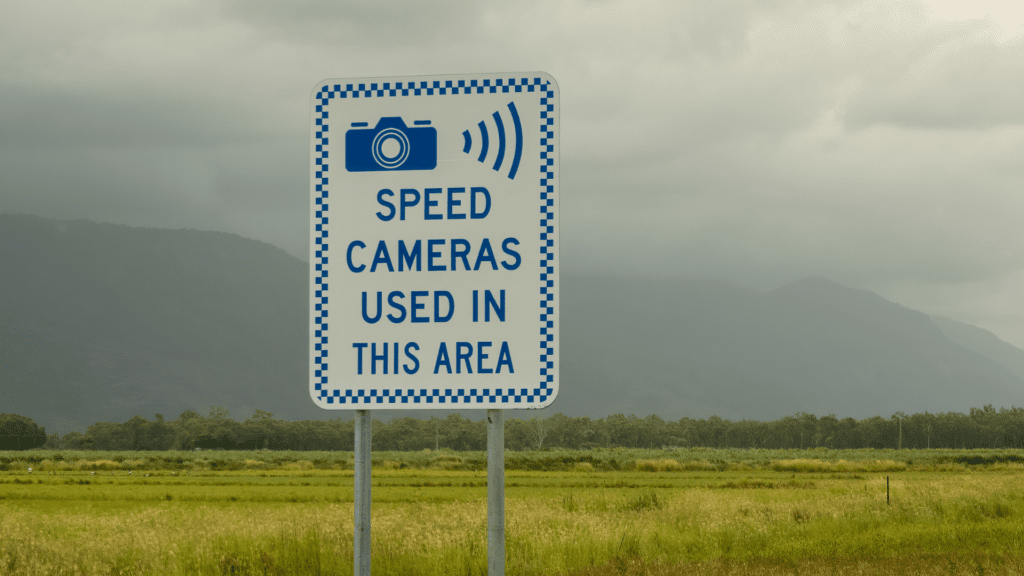
The number of demerit points you’ll get for speeding in Australia depends on how far over the speed limit you were and where you were driving.
As mentioned above, every state and territory has its own rules, but in most cases, you’ll receive between one and six demerit points for a speeding offence. The faster you go, the more points (and fines) you’ll face.
Here’s a general guide to what you can expect:
- Up to 10 km/h over the limit: usually 1–2 points
- 10–20 km/h over the limit: around 3–4 points
- More than 20 km/h over the limit: 5–6 points or more, often with heavier fines or even an immediate suspension
Don’t want to attract demerit points?
Keep reading to learn about demerit points in your area.
Number of demerit points for speeding by state
Queensland
In Queensland, the number of demerit points for speeding is set out under the Transport Operations (Road Use Management—Driver Licensing) Regulation 2021.
The penalties increase with the severity of the offence, from minor excess speeds through to driving more than 40 km/h over the limit.
Different licence classes, including provisional and open licences, face separate thresholds for suspension and disqualification.
Demerit points by driver licence and KM/h exceeded in Queensland
| Licence type | Speed excess | Demerit points |
|---|---|---|
| All | By less than 11km/h | 1 |
| All | By at least 11km/h, but not more than 20km/h | 3 |
| All | By more than 20km/h, but not more than 30km/h | 4 |
| All | By more than 30km/h, but not more than 40km/h | 6 |
| All | By more than 40km/h | 8 |
| Driving past a tram stopped at tram stop, other than at tram stop at far left side of road at more than 10km/h | ||
| All | Any | 2 |
NSW
All speeding offences in NSW incur double demerit points during holiday periods.
Double demerits also apply for these offences when done within a school zone, except for exceeding the speed limit of passing a bus or in an average speed detection zone.
Every driver starts with a clean record, i.e. zero demerit points. When you commit a traffic offence — like speeding, running a red traffic light, drink driving, failing to give way to other vehicles at a stop sign, or using your mobile phone behind the wheel — demerit points are added to your licence.
Demerit points by driver licence and KM/h exceeded in NSW
| Licence type | Vehicle class | Speed excess | Demerit points | Double demerits in school zone | Double demerits during holiday periods |
|---|---|---|---|---|---|
| Learner | A | 10 km/h and under | 4 | Yes | Yes |
| Learner | A | over 10 km/h | 4 | Yes | Yes |
| Learner | B | 10 km/h and under | 4 | Yes | Yes |
| Learner | B | over 10 km/h | 4 | Yes | Yes |
| Learner | C | 10 km/h and under | 4 | Yes | Yes |
| Learner | C | over 10 km/h | 4 | Yes | Yes |
| Provisional | A | 10 km/h and under | 4 | Yes | Yes |
| Provisional | A | over 10 km/h | 4 | Yes | Yes |
| Provisional | B | 10 km/h and under | 4 | Yes | Yes |
| Provisional | B | over 10 km/h | 4 | Yes | Yes |
| Provisional | C | 10 km/h and under | 4 | Yes | Yes |
| Provisional | C | over 10 km/h | 4 | Yes | Yes |
| Full | A | 10 km/h and under | 1 | Yes | Yes |
| Full | A | over 10 km/h | 3 | Yes | Yes |
| Full | B | 10 km/h and under | 1 | Yes | Yes |
| Full | B | over 10 km/h | 3 | Yes | Yes |
| Full | C | 10 km/h and under | 1 | Yes | Yes |
| Full | C | over 10 km/h | 3 | Yes | Yes |
| All | A | over 20 km/h | 4 | Yes | Yes |
| All | A | over 30 km/h | 5 | Yes | Yes |
| All | A | over 45 km/h | 6 | Yes | Yes |
| All | B | over 20 km/h | 4 | Yes | Yes |
| All | B | over 30 km/h | 5 | Yes | Yes |
| All | B | over 45 km/h | 6 | Yes | Yes |
| All | C | over 20 km/h | 4 | Yes | Yes |
| All | C | over 30 km/h | 5 | Yes | Yes |
| All | C | over 45 km/h | 6 | Yes | Yes |
| For heavy vehicle licence holders exceeding the 100km/h limit | |||||
| Learner | B | 10 km/h and under | 4 | Yes | Yes |
| Learner | B | over 10 km/h | 4 | Yes | Yes |
| Learner | C | 10 km/h and under | 4 | Yes | Yes |
| Learner | C | over 10 km/h | 4 | Yes | Yes |
| Provisional | B | 10 km/h and under | 4 | Yes | Yes |
| Provisional | B | over 10 km/h | 4 | Yes | Yes |
| Provisional | C | 10 km/h and under | 4 | Yes | Yes |
| Provisional | C | over 10 km/h | 4 | Yes | Yes |
| Full | B | 10 km/h and under | 1 | Yes | Yes |
| Full | B | over 10 km/h | 3 | Yes | Yes |
| Full | C | 10 km/h and under | 1 | Yes | Yes |
| Full | C | over 10 km/h | 3 | Yes | Yes |
| All | B | over 20 km/h | 4 | Yes | Yes |
| All | B | over 30 km/h | 5 | Yes | Yes |
| All | B | over 45 km/h | 6 | Yes | Yes |
| All | C | over 20 km/h | 4 | Yes | Yes |
| All | C | over 30 km/h | 5 | Yes | Yes |
| All | C | over 45 km/h | 6 | Yes | Yes |
| Learner permit holders exceeding the 90km/h limit | |||||
| Learner | All | 10 km/h and under | 4 | Yes | Yes |
| Learner | All | over 10 km/h | 4 | Yes | Yes |
| Learner | All | over 20 km/h | 4 | Yes | Yes |
| Learner | All | over 30 km/h | 5 | Yes | Yes |
| Learner | All | over 45 km/h | 6 | Yes | Yes |
| P1 licence holders exceeding the 90km/h limit | |||||
| P1 | All | 10 km/h and under | 4 | Yes | Yes |
| P1 | All | over 10 km/h | 4 | Yes | Yes |
| P1 | All | over 20 km/h | 4 | Yes | Yes |
| P1 | All | over 30 km/h | 5 | Yes | Yes |
| P1 | All | over 45 km/h | 6 | Yes | Yes |
| P2 licence holders exceeding the 100km/h limit | |||||
| P2 | All | 10 km/h and under | 4 | Yes | Yes |
| P2 | All | over 10 km/h | 4 | Yes | Yes |
| P2 | All | over 20 km/h | 4 | Yes | Yes |
| P2 | All | over 30 km/h | 5 | Yes | Yes |
| P2 | All | over 45 km/h | 6 | Yes | Yes |
| Pass a bus exceeding the 40km/h limit | |||||
| Learner | A | 10 km/h and under | 4 | No | Yes |
| Learner | A | over 10 km/h | 4 | No | Yes |
| Learner | B | 10 km/h and under | 4 | No | Yes |
| Learner | B | over 10 km/h | 4 | No | Yes |
| Learner | C | 10 km/h and under | 4 | No | Yes |
| Learner | C | over 10 km/h | 4 | No | Yes |
| Provisional | A | 10 km/h and under | 4 | No | Yes |
| Provisional | A | over 10 km/h | 4 | No | Yes |
| Provisional | B | 10 km/h and under | 4 | No | Yes |
| Provisional | B | over 10 km/h | 4 | No | Yes |
| Provisional | C | 10 km/h and under | 4 | No | Yes |
| Provisional | C | over 10 km/h | 4 | No | Yes |
| Full | A | 10 km/h and under | 1 | No | Yes |
| Full | A | over 10 km/h | 3 | No | Yes |
| Full | B | 10 km/h and under | 1 | No | Yes |
| Full | B | over 10 km/h | 3 | No | Yes |
| Full | C | 10 km/h and under | 1 | No | Yes |
| Full | C | over 10 km/h | 3 | No | Yes |
| All | A | over 20 km/h | 4 | No | Yes |
| All | A | over 30 km/h | 5 | No | Yes |
| All | A | over 45 km/h | 6 | No | Yes |
| All | B | over 20 km/h | 4 | No | Yes |
| All | B | over 30 km/h | 5 | No | Yes |
| All | B | over 45 km/h | 6 | No | Yes |
| All | C | over 20 km/h | 4 | No | Yes |
| All | C | over 30 km/h | 5 | No | Yes |
| All | C | over 45 km/h | 6 | No | Yes |
| Average speed detection zones | |||||
| Learner | A | 10 km/h and under | 4 | No | Yes |
| Learner | A | over 10 km/h | 4 | No | Yes |
| Learner | B | 10 km/h and under | 5 | No | Yes |
| Learner | B | over 10 km/h | 5 | No | Yes |
| Learner | C | 10 km/h and under | 5 | No | Yes |
| Learner | C | over 10 km/h | 5 | No | Yes |
| Provisional | A | 10 km/h and under | 4 | No | Yes |
| Provisional | A | over 10 km/h | 4 | No | Yes |
| Provisional | B | 10 km/h and under | 5 | No | Yes |
| Provisional | B | over 10 km/h | 5 | No | Yes |
| Provisional | C | 10 km/h and under | 5 | No | Yes |
| Provisional | C | over 10 km/h | 5 | No | Yes |
| Full | A | 10 km/h and under | 1 | No | Yes |
| Full | A | over 10 km/h | 3 | No | Yes |
| Full | B | 10 km/h and under | 2 | No | Yes |
| Full | B | over 10 km/h | 4 | No | Yes |
| Full | C | 10 km/h and under | 2 | No | Yes |
| Full | C | over 10 km/h | 4 | No | Yes |
| All | A | over 20 km/h | 4 | No | Yes |
| All | A | over 30 km/h | 5 | No | Yes |
| All | A | over 45 km/h | 6 | No | Yes |
| All | B | over 20 km/h | 5 | No | Yes |
| All | B | over 30 km/h | 6 | No | Yes |
| All | B | over 45 km/h | 7 | No | Yes |
| All | C | over 20 km/h | 5 | No | Yes |
| All | C | over 30 km/h | 6 | No | Yes |
| All | C | over 45 km/h | 7 | No | Yes |
Victoria
Victoria’s speeding penalties are governed by the Road Safety (Drivers) Regulations 2019.
Demerit points apply based on how far over the posted limit a driver travels, with additional penalties for learner and probationary drivers.The higher the excess speed, the gr
eater the fine and the number of points recorded against the driver’s licence.
Demerit points by driver licence and KM/h exceeded in Victoria
| Licence type | Speed excess | Demerit points |
|---|---|---|
| Car | By less than 10km/h | 1 |
| Heavy vehicle | By less than 10km/h | 1 |
| Car | More than 10km/h, but less than 25km/h | 3 |
| Heavy vehicle | More than 10km/h, but less than 25km/h | 3 |
| If the speed limit is 110km/h | ||
| Car | More than 20km/h, less than 25km/h | 3 |
| Heavy vehicle | More than 20km/h, less than 25km/h | 4 |
Western Australia
Under Western Australia’s Road Traffic (Authorisation to Drive) Regulations 2014, speeding attracts escalating demerit points depending on the extent of the offence.
Drivers can also face double demerits during long-weekend and holiday enforcement periods.
Learner and provisional licence holders must take extra care, as lower thresholds can result in immediate suspension.
Demerit points by driver licence and KM/h exceeded in WA
| Licence type | Speed excess | Demerit points | Double demerits during holiday periods |
|---|---|---|---|
| All | No more than 9km/h | 0 | |
| All | More than 9km/h, but no more than 19km/h | 2 | Yes |
| All | More than 19km/h, but no more than 29km/h | 3 | Yes |
| All | More than 29km/h, but no more than 40km/h | 6 | Yes |
| All | More than 40km/h | 7 | Yes |
South Australia
In South Australia, demerit points for speeding are issued under the Motor Vehicles Regulations 2025.
The state’s system assigns between two and nine points for speeding offences, depending on how much the driver exceeds the limit.
These speeding demerit points in South Australia are designed to encourage safer driving and reduce crash risk across the state’s diverse road network.
Demerit points by driver licence and KM/h exceeded in SA
| Licence type | Speed excess | Demerit points |
|---|---|---|
| Heavy vehicle on prescribed road | 10km/h or more | 6 |
| All | Less than 10km/h | 2 |
| All | 10km/h or more, but less than 20km/h | 3 |
| All | 20km/h or more, but less than 30km/h | 5 |
| All | 30km/h or more | 7 |
| In an emergency service speed zone, or while passing a school bus or breakdown service vehicle | ||
| All | Less than 10km/h | 2 |
| All | 10km/h or more, but less than 20km/h | 3 |
| All | 20km/h or more, but less than 30km/h | 5 |
| All | 30km/h or more | 7 |
Tasmania
Speeding in Tasmania is penalised under the Traffic (Compliance and Enforcement) Regulations 2011.
Demerit points increase in line with the level of excess speed, and repeated offences within three years can lead to suspension.
Learner and provisional drivers are subject to stricter limits and can lose their licence with fewer points.
Demerit points by driver licence and KM/h exceeded in Tasmania
| Licence type | Speed excess | Demerit points |
|---|---|---|
| All | Less than 10km/h | 2 |
| All | 10km/h to 14km/h | 2 |
| All | 15km/h to 22km/h | 3 |
| All | 23km/h to 29km/h | 3 |
| All | 30km/h to 37km/h | 5 |
| All | 38km/h to 44km/h | 6 |
| All | 45km/h or more | 6 |
| Exceed 40 km/h within 50 metres of bus on road displaying school bus warning sign and warning light | ||
| All | Less than 10km/h | 2 |
| All | 10km/h to 14km/h | 2 |
| All | 15km/h to 22km/h | 3 |
| All | 23km/h to 29km/h | 3 |
| All | 30km/h to 37km/h | 5 |
| All | 38km/h to 44km/h | 6 |
| All | 45km/h or more | 6 |
| Turn right or left at traffic lights intersection at more than 20 km/h | ||
| All | Any | 2 |
| Near emergency or related vehicle/worker | ||
| All | Less than 10km/h | 2 |
| All | 10km/h to 14km/h | 2 |
| All | 15km/h to 22km/h | 3 |
| All | 23km/h to 29km/h | 3 |
| All | 30km/h to 37km/h | 5 |
| All | 38km/h to 44km/h | 6 |
| All | 45km/h or more | 6 |
Northern Territory
The Northern Territory applies demerit points for speeding through the Traffic Regulations 1999. The number of points varies depending on the offence category and licence class.
Drivers with open licences can accumulate up to 12 points before facing suspension, while provisional and learner drivers are subject to lower thresholds.
Demerit points by driver licence and KM/h exceeded in the NT
| Licence type | Speed excess | Demerit points |
|---|---|---|
| All | Up to 15km/h | 1 |
| All | More than 15km/h, but less than 30km/h | 3 |
| All | More than 30km/h, but less than 45km/h | 4 |
| All | More than 45km/h | 6 |
The ACT
In the ACT, demerit points for speeding are governed by the Road Transport (Driver Licensing) Regulation 2000.
The ACT’s demerit system penalises drivers based on how far they exceed the limit, with additional penalties for provisional licence holders.
These ACT speeding demerit points aim to deter dangerous driving and support the Territory’s road safety strategy.
Demerit points by driver licence and KM/h exceeded in the ACT
| Licence type | Speed excess | Demerit points |
|---|---|---|
| All | 15km/h or less | 1 |
| All | Between 15km/h and 30km/h | 3 |
| All | Between 30km/h and 45km/h | 4 |
| All | More than 45km/h | 6 |
How to check demerit points
Check your demerit points online
In all states and territories except for the ACT, you can check your demerit point total online.
Simply visit your state or territory’s driver licensing website, sign in (or create an account), and follow the prompts to view your record. You’ll usually find your demerit point balance listed under “Licence details” or “Driver/traffic history”.
To find specific information on how to access your demerit point total in your state or territory, please contact your local road authority:
- NSW: Service NSW
- Victoria: VicRoads
- Queensland: QLD Transport and Main Roads
- South Australia: Service SA
- Western Australia: WA Transport
- Tasmania: Transport Services Tasmania
- Northern Territory: NT MVR
If you live in the ACT, you’ll need to contact Access Canberra directly or visit a service centre in person to view your demerit point record.
Check your demerit points over the phone
If you prefer, you can also check your demerit points by calling your local licensing authority.
- In NSW and Victoria, you can request a full licence history (which includes your current demerit point total) for a small fee.
- In the Northern Territory and Tasmania, you can phone your licensing office directly — just have your driver’s licence number ready.
In Western Australia, you can call the Demerit Point Hotline and verify your details using your driver’s licence.
Phone checks can take longer than online access, but they’re a handy alternative if you can’t get online or prefer speaking to someone directly.
Check your demerit points in person
You can also check your demerit points in person by visiting your local licence service centre or road authority office.
In NSW, Victoria, and the ACT, you can request a driver history report (a small fee applies).
Requirements vary between states, but you’ll always need to show valid photo identification, such as your driver’s licence or passport.
It’s a good idea to check with your local licensing authority beforehand to confirm which documents you’ll need and whether any fees apply.
Can I dispute demerit points for speeding and other driving offences?
Yes, you can dispute demerit points for speeding. However, in Australia, demerit points are automatically applied when a traffic offence is recorded. This means you can’t appeal the points directly. Instead, you must dispute the fine or charge linked to them.
If your challenge is successful and the offence is withdrawn, the associated demerit points are also removed from your driving record.
You can usually lodge a dispute online or by mail, and most states allow you to either request a review of the infringement or take the matter to court.
Discover how to dispute demerit point offences like speeding infringements in your state or territory:
Victoria
In Victoria, you can either request an internal review or dispute the fine in court.
A review can only be requested if your case meets one of five eligible reasons (such as mistaken identity or exceptional circumstances).
To take the matter to court, it must still be at the Infringement Notice or Penalty Reminder Notice stage.
For “excessive speed” offences, you’ll need to submit a Notice of Objection within 28 days of receiving the notice.
If your fine has progressed to a Notice of Final Demand, only a review is possible.
Supporting evidence is required for both options.
New South Wales
In NSW, you can either request a review or elect to have your matter heard in court.
Reviews must be lodged before the due date on your infringement notice.
If you believe an error occurred or there were extenuating circumstances, you’ll need to include evidence supporting your claim.
Queensland
Drivers in Queensland can dispute a speeding infringement in court, but you must lodge your request within 28 days of receiving the notice.
Northern Territory
In the NT, disputes must be made directly to the agency that issued the infringement notice.
It’s best to contact them as soon as possible to confirm the process and avoid missing your dispute window.
The ACT
ACT drivers can challenge a traffic infringement notice in court, provided it’s done within 28 days of the date of service.
South Australia
In South Australia, you can apply to have an Expiation Notice reviewed.
If the review is accepted, the matter may be referred to court for a final decision.
Tasmania
Tasmanian drivers can apply to have an infringement withdrawn or elect to take the matter to court.
Applications must be submitted within 28 days of the issue date.
Western Australia
In Western Australia, you can either request a review by the issuing authority or have the infringement dealt with in court.
You must submit your request within 28 days of receiving your notice.
Become a more responsible driver and avoid demerit point offences with Road Sense Australia
Speeding penalties in Australia vary depending on how far over the limit you were, but most result in demerit points. The number of points you can receive before losing your licence depends on your licence type, and double demerits may apply during holiday periods or for repeat traffic offences.
Losing points or your licence is serious, but the real danger is the risk of injury or death — speeding remains one of Australia’s leading causes of road fatalities.
If you’ve been charged with a speeding offence, Road Sense Australia offers an evidence-based Traffic Offender Intervention Program (TOIP) to help you understand the risks and make safer choices.
This program is educational, not judgmental, and available online or face-to-face. You can complete it in a virtual classroom via Zoom or as a self-paced course over 32 days. The TOIP is NSW court-accredited and recognised in WA and QLD.
We also offer Drive It Home (DIH), a workplace road safety program that helps employers meet WHS obligations and promote a culture of safe driving.
For more information or to book, please contact us at [email protected] or 1300 810 008 today.
References
- Transport for NSW. (2024). Speeding offences in New South Wales: Power BI report. Microsoft Power BI. Retrieved October 13, 2025, from https://app.powerbi.com/view?r=eyJrIjoiZTAxY2EyOTAtYTdhMS00NTRiLWI0NDktM2U1ZDI0NzY0ZTU5IiwidCI6ImFhMjFiNjQwLWJhYzItNDU2ZC04NTA1LWYyY2MwN2Y1MTc4NCJ9
- Transport for NSW. (n.d.). Speeding. Retrieved October 13, 2025, from https://www.transport.nsw.gov.au/roadsafety/topics-tips/speeding
- Department of Infrastructure, Transport, Regional Development, Communications and the Arts. (2025, August). Police enforcement. National Road Safety Data Hub. Retrieved October 13, 2025, from https://datahub.roadsafety.gov.au/safe-systems/safe-road-use/police-enforcement