Did you know that Youi sees more claims for crashes occurring at 3pm than any other time of day? Neither did we, until Youi reached out asking for our help.
After identifying this trend in their Youi Wrapped 2025 claims data, Youi conducted a national survey of more than 2,300 Australian drivers to investigate what was really going on during the afternoon window. The survey results pointed to something that goes beyond bumper-to-bumper traffic: cognitive load. Drivers reported higher rates of fatigue and stress around 3pm, driven by a collision of competing commitments: school pick-ups, work deadlines, appointments and family responsibilities all occurring in the same narrow hour.
Youi’s research ultimately suggested that this pressure may be shaping the decisions drivers make behind the wheel.
To turn those findings into practical, actionable advice, Youi reached out to us.

So, What Can Actually Be Done?
The good news is that while we can’t control the roads, we can control how we approach them. The four biggest contributors to 3pm incidents are congestion, distraction, stress, and fatigue and each one has practical solutions.
Managing Congestion at 3PM
We can’t control how many people we share the road with, let alone their behaviour behind the wheel. But what we often can control is when we choose to get on the road in the first place.
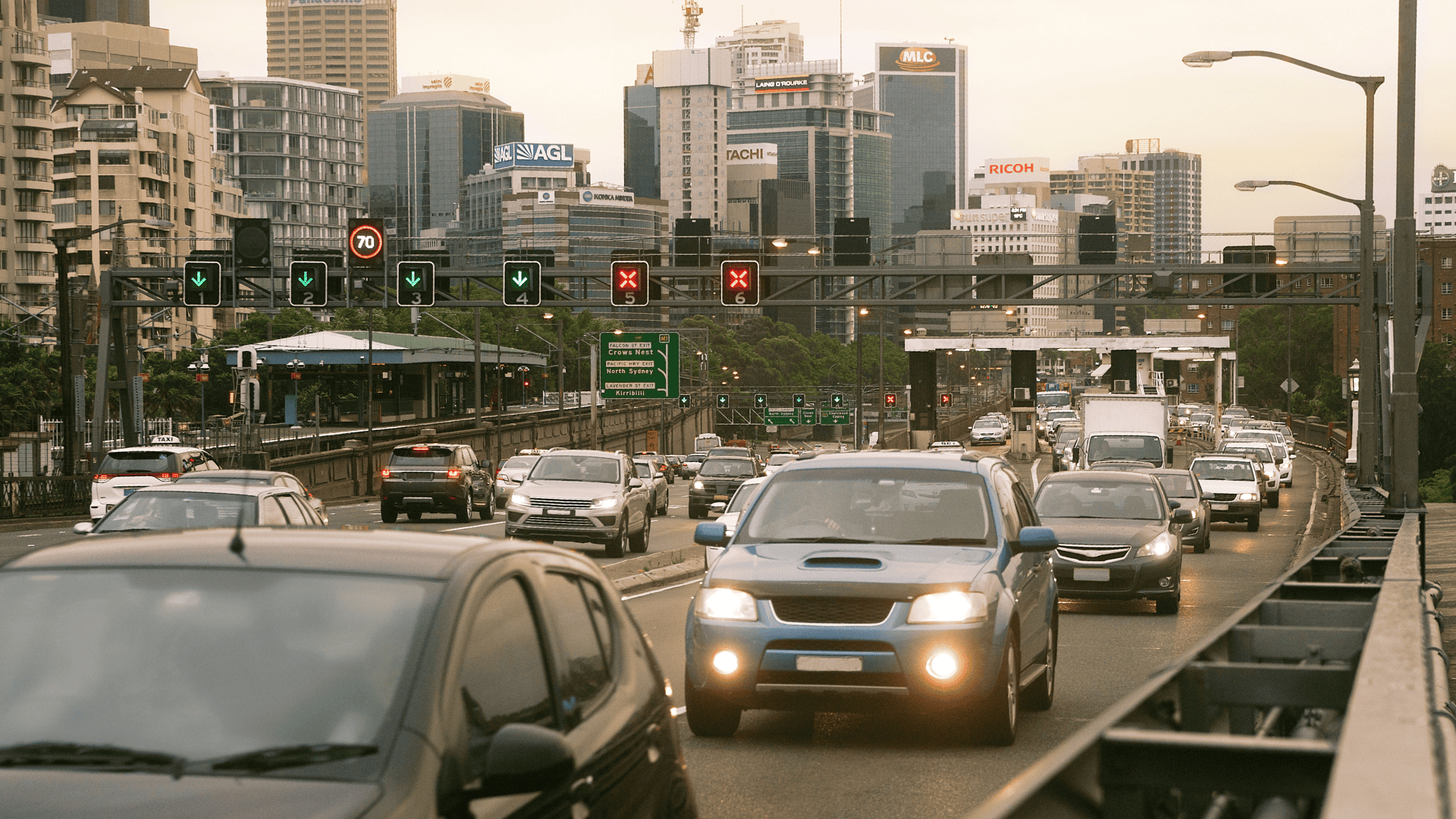
School and childcare pick-up times cluster around 3pm, meaning large numbers of people are converging on the same locations at the same time. Shift changes add even more commuters to the mix. While we’re not suggesting parents leave their children at school to avoid traffic, we do recommend planning routes in a way that limits time spent on congested roads.
This might look like leaving home earlier and spending a few extra minutes in the school car park, or waiting there until traffic has eased before heading home. And if you can’t avoid being on the road at peak times, being courteous to other road users goes a long way.
Being courteous means not letting the urgency of reaching your destination, or technically having the right of way, override the priority of staying safe. Yes, other drivers may be in the wrong. But it’s never worth putting yourself at risk over it.
Before you leave, remember to:
- Leave earlier than you normally would
- Allow extra time for unexpected red lights and heavy traffic
- Resist the urge to overtake a vehicle travelling slightly under the speed limit
Reducing Distraction Behind the Wheel
Distraction is one of the most significant risk factors at 3pm and it takes many forms. A distraction is anything that takes your focus away from the task of driving, and most fall into one or more of four categories: visual, manual, auditory, or cognitive.
Mobile phones are the most commonly cited distraction, but the same principle applies to most technology. The best approach is simple: turn it off and put it somewhere you can’t access it. Even keeping notifications on low can steal your focus for a moment and sometimes that’s all it takes.
Other common distractions include listening to music, conversations with passengers, stress (more on that below), eating, using a GPS, and adjusting in-car settings like the air conditioning.
The solution to most of these is the same: prepare before you move. Set your air conditioning before you pull away. Enter your destination into navigation before driving. Take a few extra minutes to eat before heading off.
For parents doing the school run, children can be a distraction all of their own. Whether it’s a request for attention or a full-scale argument in the back seat, it can be extremely difficult to stay focused on the road. It’s never too early to talk to children about road safety, explaining that the driver needs to stay focused to keep everyone safe can help set expectations before the trip begins. And remember pulling over somewhere safe to deal with a distraction is always an option. Staying on the road while distracted is not.

Managing Stress During the Afternoon Rush
Some of the advice for managing stress overlaps with congestion, leaving earlier and being courteous to other drivers both help. But stress also has its own specific impact on driving that’s worth addressing directly.
When driving, stress acts as a significant cognitive distraction. Thinking about work, personal commitments, or a problem that’s been weighing on your mind can pull your focus away from the road. You can’t always control where your mind wanders, but you can create conditions that make it less likely to happen.
Road Sense Australia recommends setting aside a small amount of time before driving to pause and mentally shift your focus to the journey ahead. Even 30 seconds of conscious preparation before pulling away can help reduce the likelihood of stress influencing your decisions on the road.
Dealing With Fatigue at 3PM
For many people, feeling tired in the afternoon is simply part of daily life. Unfortunately, it is also a serious road safety risk.
Most people understand fatigue as a feeling of tiredness, but it also impacts alertness. This means your ability to recognise and respond to stimuli, like a light turning red, a car slowing ahead of you, or the sound of a vehicle approaching, is diminished. You still see and register these things, but the processing time is slower and so is your response.
Before we look at how to reduce fatigue, it’s worth addressing two common misconceptions:
Myth 1: Turning the radio up or the air conditioning down will keep you alert enough to drive.
These things may help prevent you from falling asleep, but they do not reduce fatigue or improve alertness. You are no more fit to drive with them than without them.
Myth 2: Coffee or caffeine will make you more alert.
Caffeine works by blocking the receptors in the body that signal tiredness. It does not improve cognitive ability or alertness and cannot be reliably used to combat driving fatigue. (Source: BBC)
What actually helps:
- Getting enough sleep the night before
- Staying well hydrated throughout the day
- Eating regular meals. Skipping lunch contributes to afternoon fatigue
- Not exceeding two hours of continuous driving without taking at least a 15-minute break that includes getting out of the vehicle and moving around
The Blind Spot: How We See Ourselves vs. Other Drivers
According to Youi’s survey, 84% of Australians rate their own driving as safe during the 3pm rush. Only 42% say the same about other drivers.
Everybody thinks they’re the good driver. And everybody thinks someone else is the problem. But if pressure, fatigue and distraction are affecting us, there’s a good chance they’re affecting the driver next to us too. The most effective thing we can do is focus on what we can control, our own actions behind the wheel, and drive defensively.
Road Sense Australia’s Advice: Plan. Prepare. Pause.
Drawing on the themes raised in Youi’s Project 3PM research, we recommend three simple habits before every journey:
Plan: Build buffer time into your afternoon. Leave earlier, allow extra time for delays, and avoid back-to-back commitments that leave no room for the unexpected. Ask yourself: “If this trip takes 10 minutes longer than expected, will I still be okay?” If the answer is no, you’re already under pressure before you’ve started.
Prepare: Set yourself up for a distraction-free drive before you move. Enter your destination into navigation, silence unnecessary notifications, put your phone out of reach, and make sure passengers and belongings are settled before departing.
Pause: Before pulling away, take 30 seconds to check in with yourself. Am I feeling rushed? Tired? Distracted? A short pause won’t clear the traffic, but it can help stop the mental load from influencing the decisions you make once you’re on the road.
We’ve also collaborated with Youi on The 3PM Playbook. A practical guide that brings these findings and recommendations together in one place.
A Note of Thanks
We’d like to thank Youi for raising these issues and for giving us the opportunity to offer practical road safety advice on their survey findings.
Data sourced from a survey conducted by Ideally between 4–5 August 2026, involving 2,334 drivers aged 18 and above from all states and territories within Australia. Some percentages have been rounded to the nearest whole number. Survey results have not been independently verified by Youi and may not be representative of the general population. This article is for general information only and is not comprehensive advice